It needs multiple cycles
A dryer taking much longer than usual can point to heat, airflow, or operating issues.
Laundry appliances
A dryer that will not start, heat, or turn properly can disrupt a home or business quickly. Ecotech can assess the issue and outline the repair path.
Heat · drum · airflow · operation
A dryer that stops heating, turns slowly, or makes a new sound can disrupt a home or a working laundry. Ecotech helps you begin with the symptom and the appliance details so the next step is easier to understand.
The historical service material covers domestic and commercial dryer contexts and describes the importance of finding the cause rather than treating only the visible symptom.
Know the signs
The clearest warning sign is that the dryer no longer operates correctly, but the source also identifies subtler changes worth noting.
A dryer taking much longer than usual can point to heat, airflow, or operating issues.
Stop using the appliance and describe the smell when you enquire so the safety concern is clear.
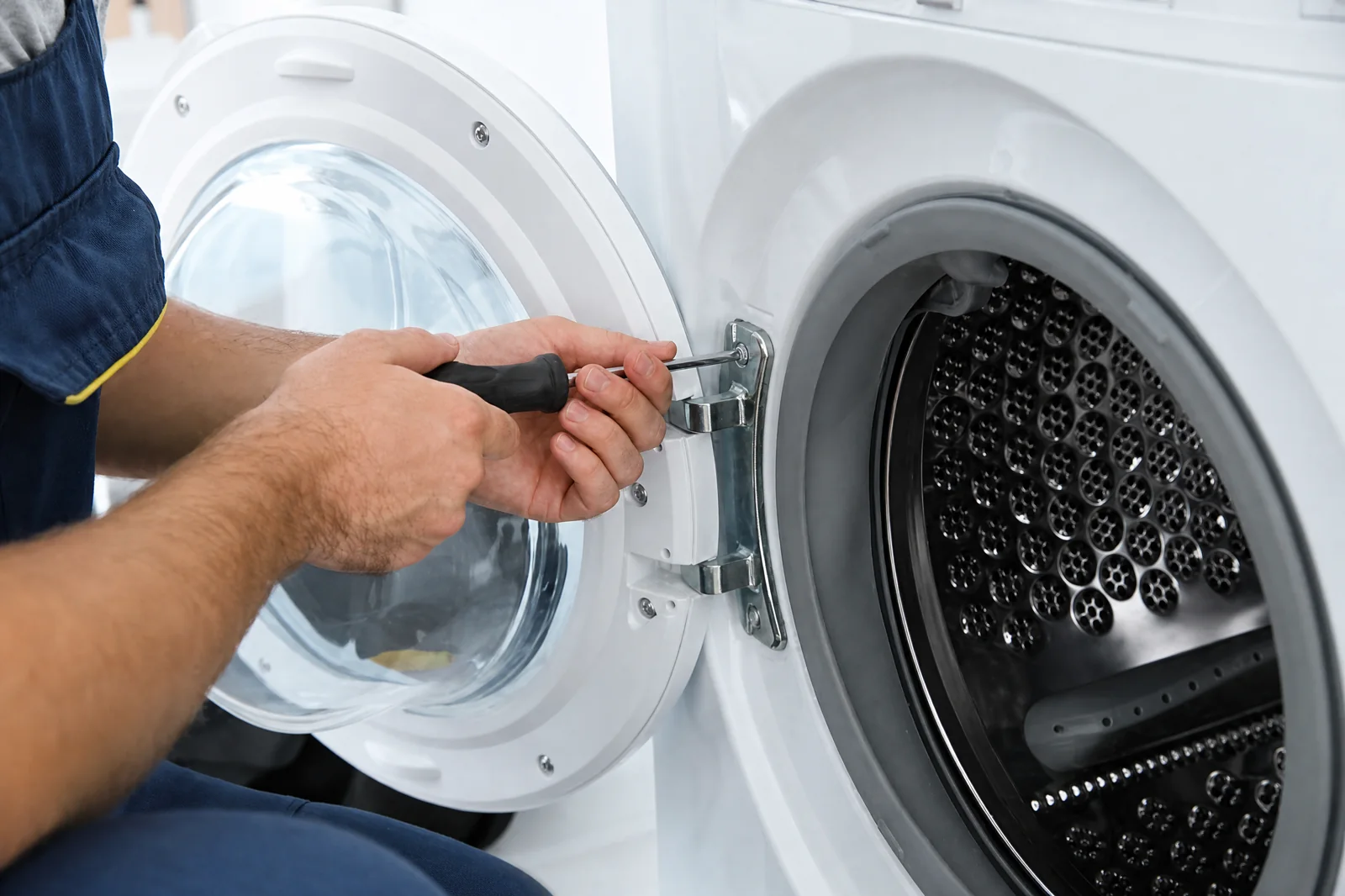
Drive belts, motors, pulleys, switches, or related mechanical parts may need diagnosis.
Loud or unusual sounds can be a useful clue to a drum, motor, belt, or pulley problem.
Temperature changes can relate to heating components, airflow, sensors, or controls.
A door switch or electrical/control issue may be preventing the cycle from beginning.
Diagnosis before assumptions
Dryers contain several connected mechanical and electrical components. A short video or description of the sound, heat, drum movement, and cycle behaviour can make the enquiry more useful.
Tell us what’s happeningA switch can prevent a dryer from starting or continuing when the door signal is not correct.
A loose blower fan or restricted airflow can affect drying time, temperature, and safety.
Worn or broken belts and seized pulleys can stop the drum from turning normally.
A worn or seized motor can create start-up, drum, heat, or noise symptoms.
Appliance scope
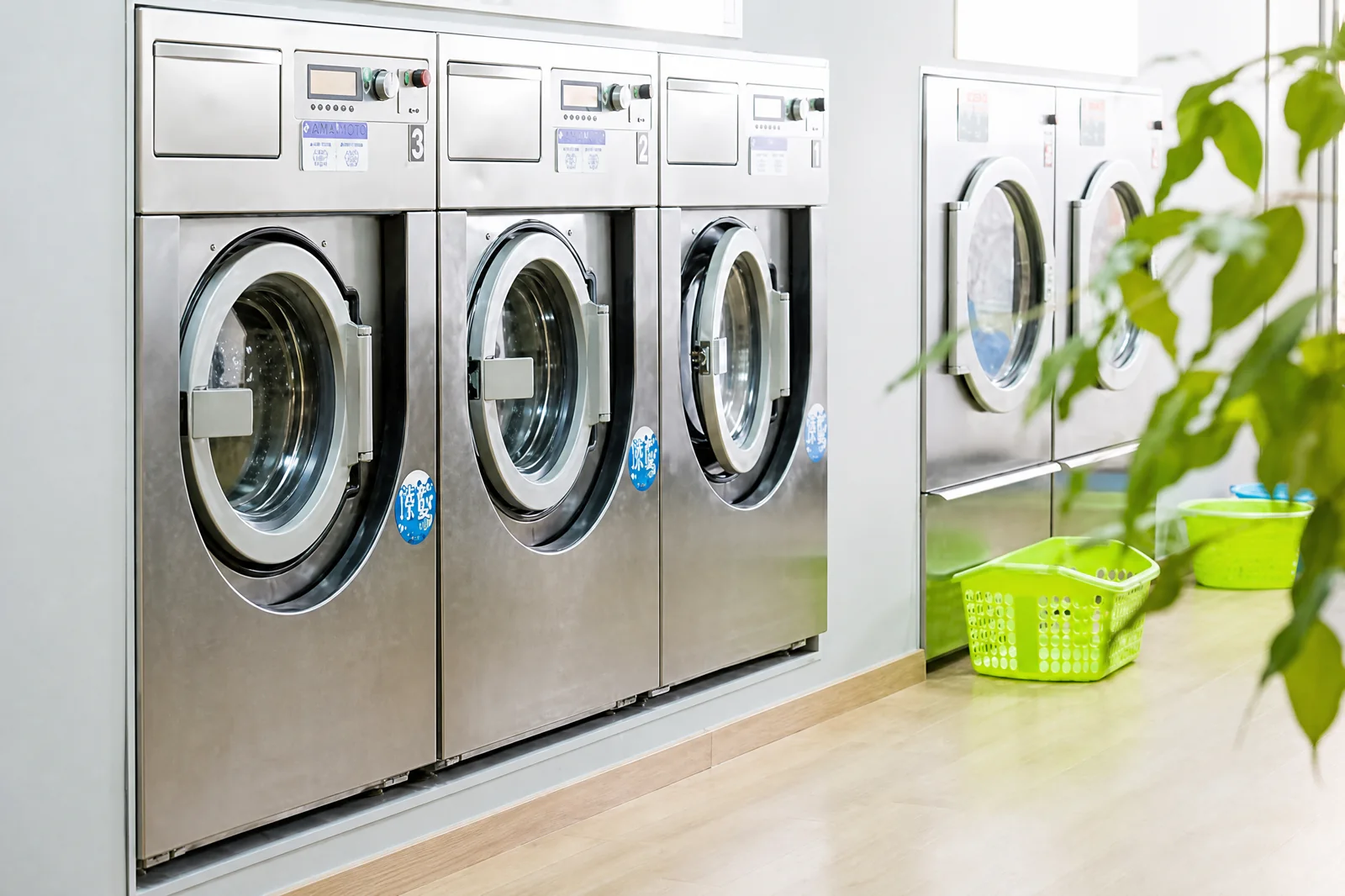
Include whether the dryer is used in a home, business, or commercial laundry setting. Also tell us whether it is vented, condenser, heat-pump, or another type if known.

Laundry context
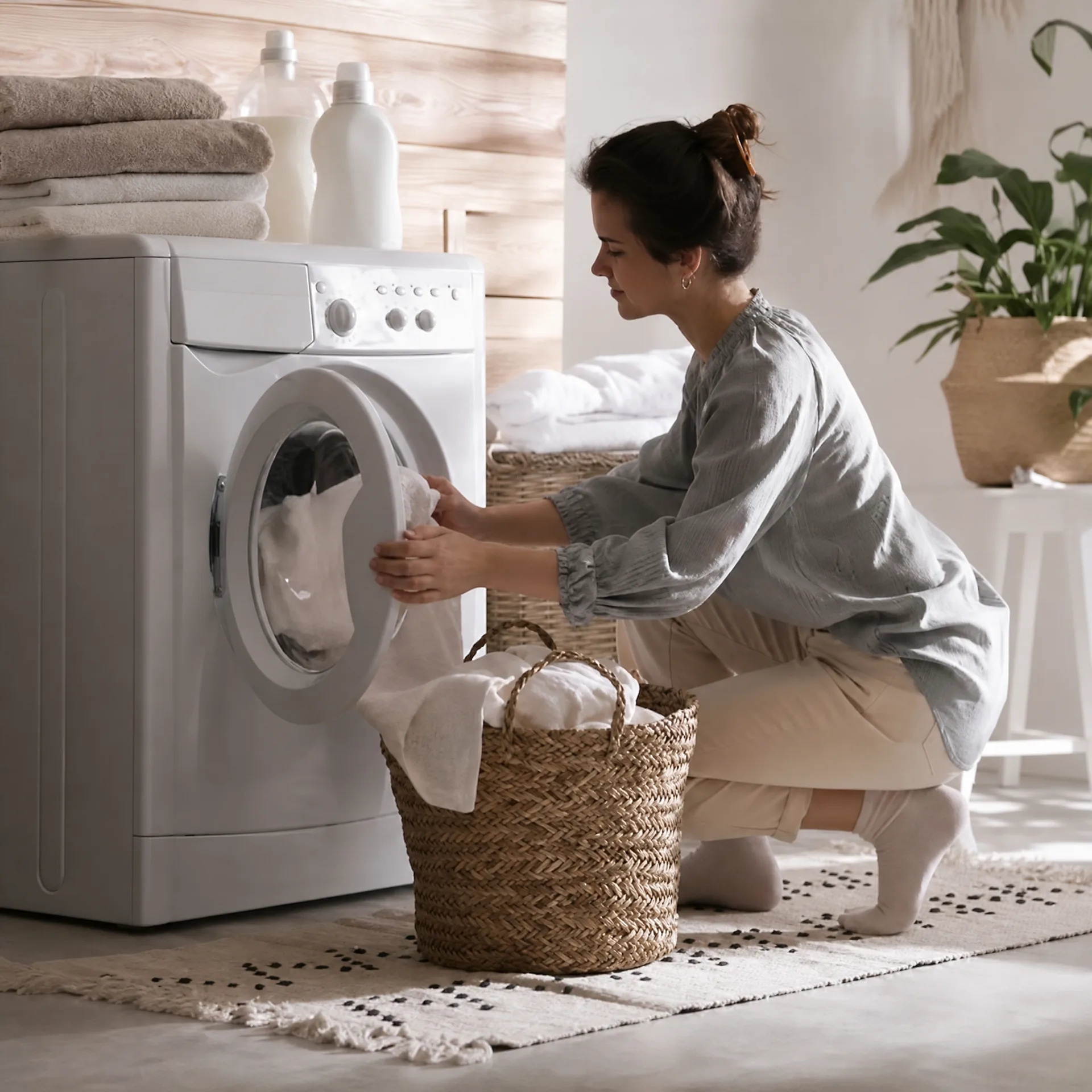
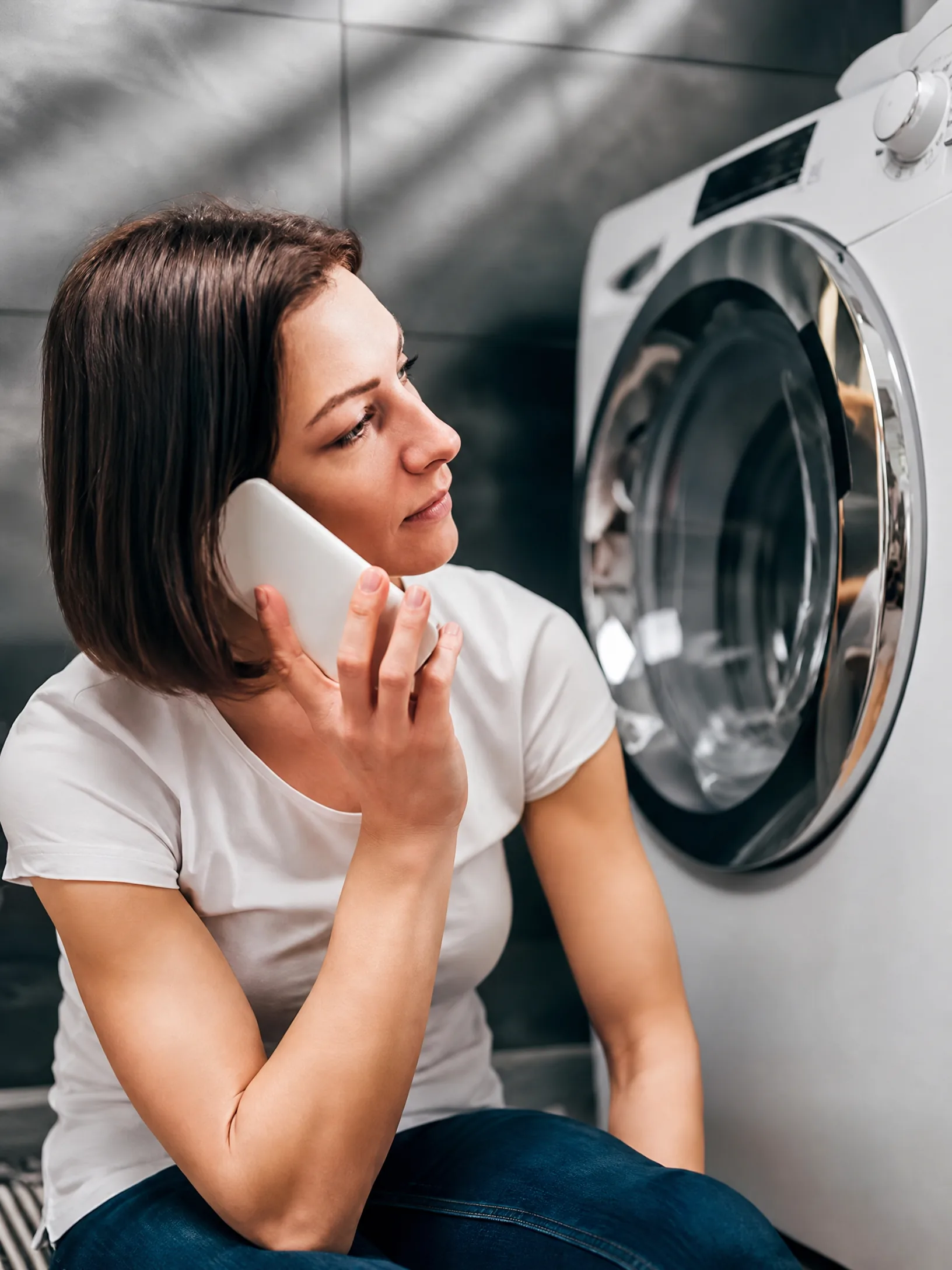
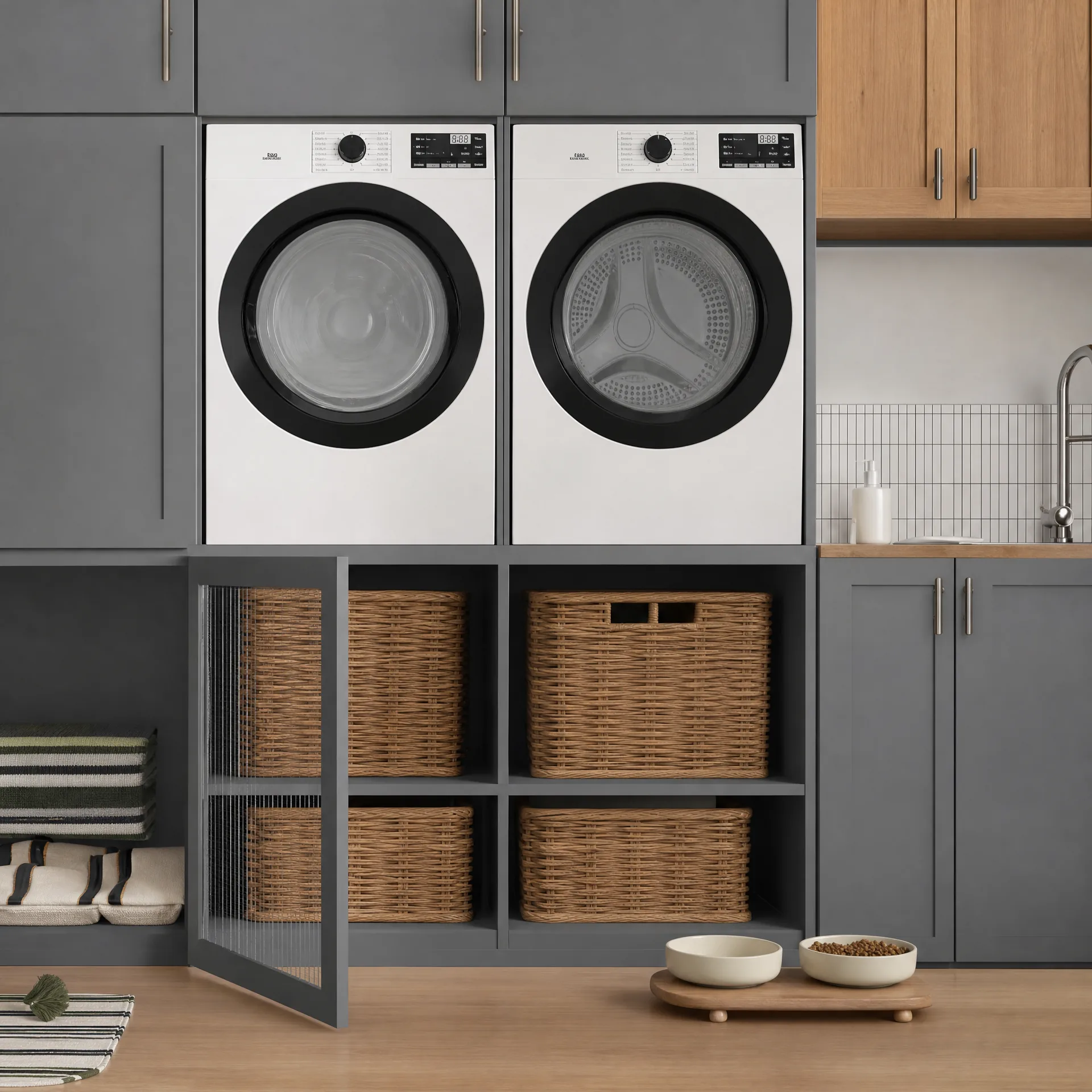
The supplied laundry photographs show how a dryer problem lands in real life: a full basket, a busy family routine, or a shared laundry space. Tell us what changed so the enquiry starts with the practical detail.
Share the dryer detailsManufacturer context
The historical source references these makes as examples. Current Ecotech support depends on the specific appliance, model, parts, and confirmed scope; the list does not imply authorised servicing.
View brand information Bosch
Bosch AEG
AEG Asko
Asko Fisher & Paykel
 Electrolux
 LG
LGUseful decision support
The useful questions are the appliance condition, the scale of the fault, parts availability, and the cost of a practical repair. If repair is not suitable, an honest next-step conversation is more useful than guessing from the symptom alone.
Why Ecotech
Dryer repair starts with the change you noticed: heat, airflow, drum movement, noise, smell, or start-up. That keeps the diagnosis practical and focused.
A burning smell, overheating, or an unusual noise is useful information to share before the next step.
The conversation can stay focused on the door switch, blower, belt, pulley, motor, airflow, or heating behaviour.
Share the dryer type, age if known, and symptom pattern so repair or replacement can be considered with better context.
Make the enquiry useful
Tell us the appliance type, brand, model if known, what has changed, and whether the issue is constant or intermittent.
Include the appliance type, brand, model if known, and a short description of what has changed. These details help us understand your enquiry.
Request a quoteStart with the issue
Share the appliance details and issue description so Ecotech can understand the enquiry and help work out the next step.